Our Services
Residential Home Inspections
- Roof, vents, flashing, gutters, and downspouts
- Chimney, skylights, decks, porches, railings, and walkways
- Foundation, basement, crawlspaces, grading, and drainage
- Heating and cooling systems
- Plumbing fixtures, shut-off valves, water heater
- Electrical service line, panels, breakers, GFCIs, and AFCIs
- Interior walls, ceilings, windows, and doors
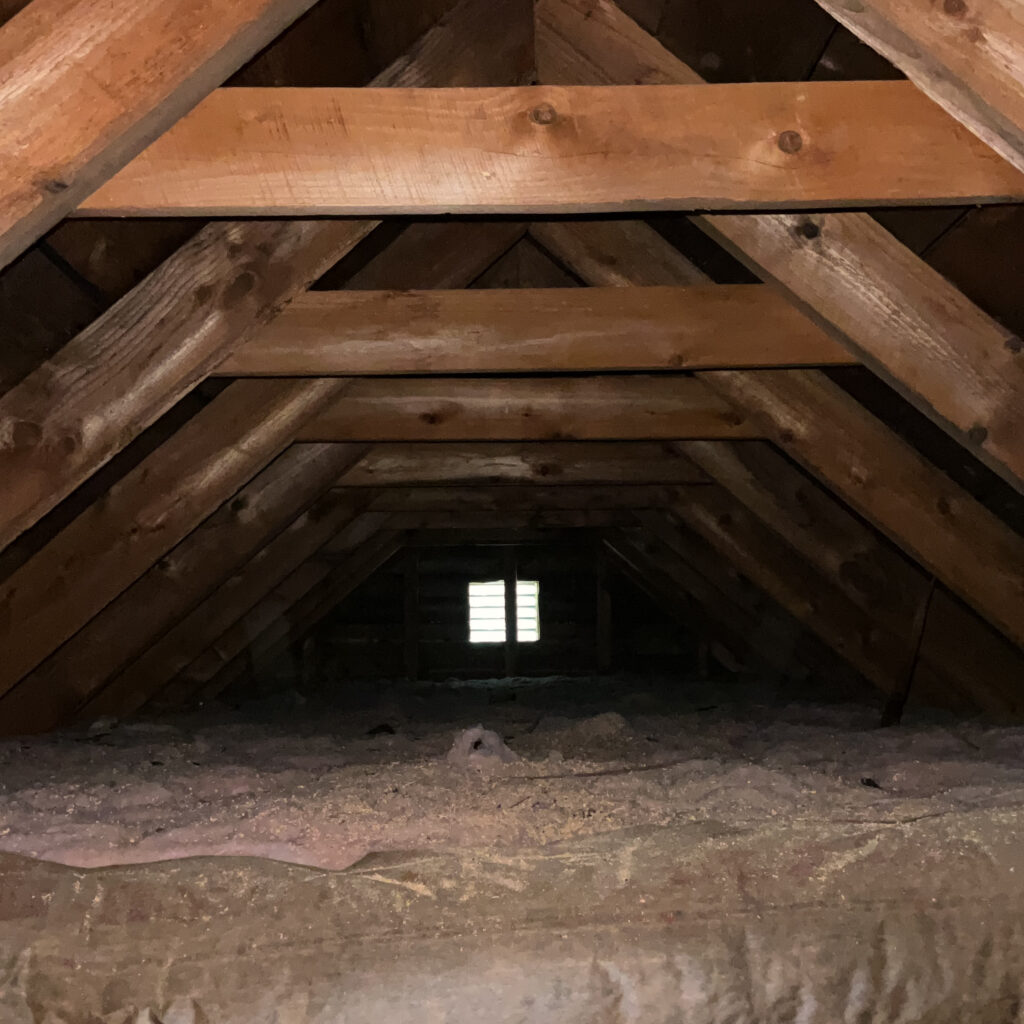
- Attic insulation and ventilation
- Garage doors, safety sensors, and openers
- Fireplace and chimney
Licensed State of Maine Radon Service provider
Radon air test
- Detects colorless, odorless radon gas in your home’s air
- Helps reduce the second leading cause of lung cancer in the U.S.
- Professional testing with accurate, easy-to-read results
- Peace of mind knowing if mitigation is needed
Radon Water Test
- Tests well water for dissolved radon gas
- Identifies risk of radon being released during daily water use
- Protects your family’s drinking water and indoor air quality
- Provides clear, actionable next steps if mitigation is needed
State of Maine Certified Onsite Subsurface Wastewater Disposal System Inspector
Main Line Sewer Scope
- Key Benefits:
- Detects clogs, cracks, tree roots, and other blockages
- Saves money by finding issues before they become emergencies
- Provides video evidence for repairs or negotiations
Septic system inspector
- Key Benefits:
- Locates and evaluates septic system components
- Identifies maintenance needs like pumping or repairs
- Helps protect property value and prevent system failure

Water quality test
- Key Benefits:
- Tests for bacteria, nitrates, hardness, pH, and other contaminants
- Identifies issues that impact water taste, smell, or safety
- Provides a clear, easy-to-read water report with recommendations
- Helps you decide if filtration or treatment is needed
Septic system inspector
- Key Benefits:
- Locates and evaluates septic system components
- Identifies maintenance needs like pumping or repairs
- Helps protect property value and prevent system failure
Mold Testing for Home Inspectors
Mold is a byproduct of the breakdown of organic matter, such as plants, wood, and even food and certain beverages. The problem posed to humans by mold is their spores, which can be released into the air and land on damp surfaces indoors, where they will continue to grow, if the conditions are right. Mold growth left unaddressed can quickly spread and result in damage to the structure of a home. More importantly, mold can compromise the respiratory health of susceptible individuals. Although testing for mold falls outside InterNACHI’s Residential Standards of Practice, home inspectors can benefit from getting trained in mold testing and offering this valuable – and sometimes life-changing – service to their clients.
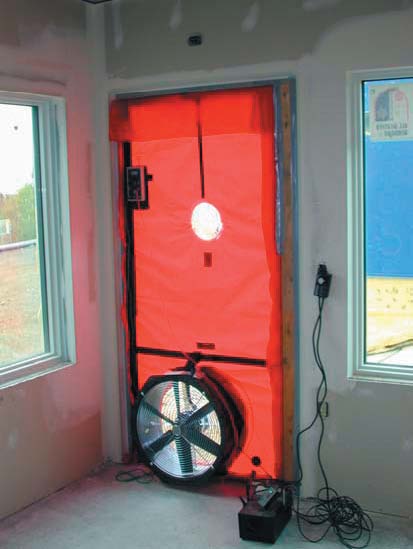
Blower Door Testing
Inspectors should become familiar with blower doors, as they can be a valuable tool in energy audits. A blower door is a powerful, variable-speed fan that can be temporarily mounted into an exterior door frame to provide controlled air flow for analysis. The way that air flows through a building can have a serious impact on air quality, comfort and energy expenses. The use of a blower door allows air flow through a structure, and the resulting loss of heat can be immediately quantified, providing a way to pinpoint the location of air leaks.
Before embarking on training in order to offer mold testing services, be sure to check with your state for its requirements for certification or licensing. Some states that require home inspectors to be licensed also require mold inspectors or assessors to be licensed, such as Florida. But there are also states that don’t require home inspectors to be licensed but do require mold testers to be licensed, including Ohio.